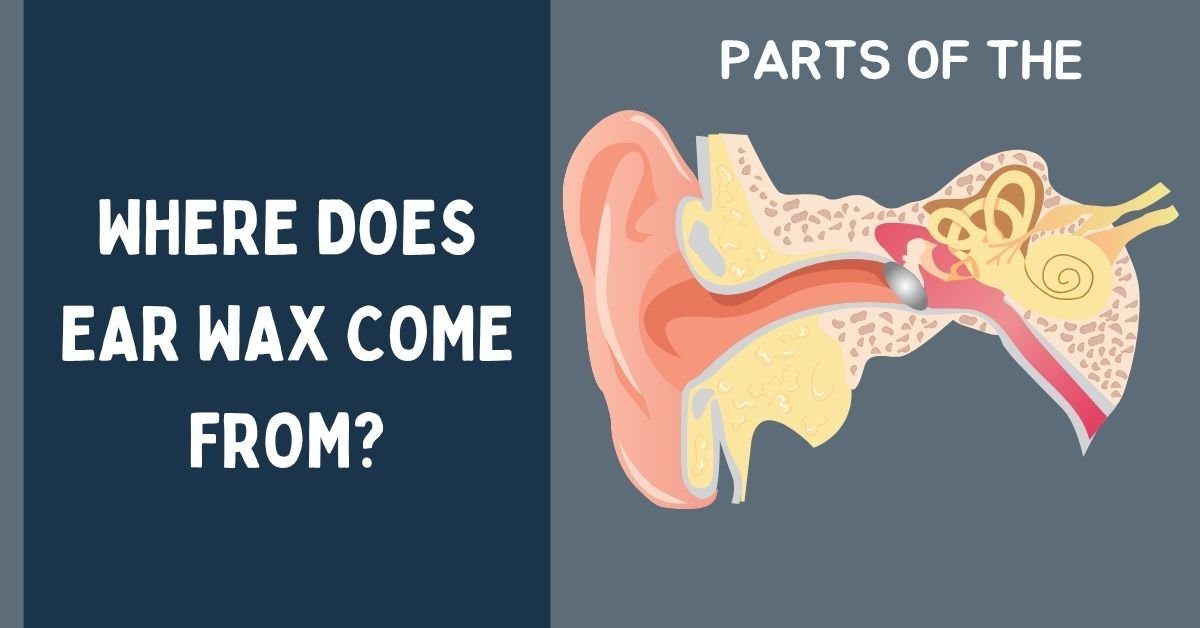

Ear wax is something we often notice only when it becomes a problem—but it actually plays a very important role in keeping our ears healthy. Many people wonder where ear wax comes from, why it forms, and whether it should be cleaned. In this guide, we explain everything in simple words.
⭐ What Is Ear Wax?
Ear wax, medically called cerumen, is a natural oily substance produced inside your ear canal. It may look sticky or flaky, ranging in color from yellow to dark brown.
⭐ Where Does Ear Wax Come From?
Ear wax is made by special glands located in the skin of your ear canal:
✔ 1. Sebaceous Glands
These glands produce natural oils (sebum) that help moisturize the ear canal.
✔ 2. Ceruminous Glands
These are modified sweat glands. They mix with sebum, dead skin cells, and tiny hair particles to form cerumen (ear wax).
✔ 3. Dead Skin Cells
The ear canal naturally sheds old skin, which becomes part of the wax.
✔ 4. Dust & Dirt Trapped
Small particles from the environment stick to the wax, helping keep the ear canal clean.
⭐ Why Does Ear Wax Form? (Why We Need It)
Ear wax is not dirt—it is your body’s protection system.
✔ 1. Natural Cleaner
As the ear makes new wax, the old wax moves outward, carrying dirt and debris out.
✔ 2. Protection Against Infections
Ear wax has antibacterial properties that prevent germs from growing.
✔ 3. Lubrication
It keeps the ear canals moist and prevents dryness or itching.
✔ 4. Barrier Against Water
It helps repel water and protects the eardrum.
⭐ How Much Ear Wax Is Normal?
Everyone produces ear wax, but the amount varies by:
-
Age
-
Genetics
-
Environment
-
Ear shape
-
Use of earphones or hearing aids
Some people make dry and flaky wax, while others produce moist and sticky wax.
⭐ What Causes Excess Ear Wax?
Some habits or conditions can increase ear wax buildup:
-
Using cotton buds (pushes wax deeper)
-
Narrow or hairy ear canals
-
Wearing earphones or hearing aids
-
Skin conditions like eczema
-
Ageing
-
Excessive gland activity
⭐ Pros & Cons of Ear Wax
✔ Pros (Benefits)
| Benefit | How It Helps |
|---|---|
| Natural Cleaning | Removes dirt & dust automatically |
| Protects Ear Canal | Stops bacteria & fungal growth |
| Moisturizes | Prevents dryness & irritation |
| Water Protection | Reduces risk of swimmer’s ear |
✖ Cons (Problems When Wax Builds Up)
| Problem | Effect |
|---|---|
| Blocked Ear Canal | Muffled or reduced hearing |
| Ear Pain | Due to pressure build-up |
| Tinnitus | Ringing sound in the ear |
| Dizziness | When wax touches eardrum |
| Ear Infection | Pain, discharge, swelling |
⭐ When Should You Remove Ear Wax?
Remove wax only when you notice:
-
Blocked sensation
-
Reduced hearing
-
Ear pain
-
Fullness/heaviness
-
Ringing sound
Most people do not need routine cleaning unless wax causes symptoms.
⭐ Safe Ways to Remove Ear Wax
✔ Visit an Audiologist / ENT specialist
✔ Professional methods:
-
Microsuction
-
Endoscopic wax removal
-
Irrigation (water cleaning)
Avoid:
✖ Cotton buds
✖ Keys, pins, pens
✖ Ear candles
⭐ FAQ: Where Does Ear Wax Come From?
1. Is ear wax dirty?
No. Ear wax is a natural protective substance produced by glands in the ear canal.
2. Why is my ear wax yellow or brown?
Fresh wax is yellow; older wax becomes darker as it collects dirt.
3. Why do some people have more ear wax?
Genetics, narrow ear canals, ageing, and using earphones/hearing aids can increase wax buildup.
4. Is it okay to clean my ears with earbuds?
No. Earbuds push wax deeper and may cause blockage or injury.
5. Can ear wax cause hearing loss?
Yes. A wax plug can temporarily reduce hearing until it is professionally removed.
6. What does smelly ear wax mean?
It may indicate an ear infection. Seek an ENT/Audiologist.
7. Why is my ear wax dry?
Some people naturally produce dry ear wax due to genetics.
8. When should I see a doctor?
If you have pain, itching, discharge, hearing loss, or frequent wax buildup.
⭐ Conclusion
Ear wax is a natural and essential part of your ear’s defense system. While it protects you from infections and dirt, too much of it can cause discomfort. Understanding where ear wax comes from helps you care for your ears safely and avoid harmful cleaning habits.
If you face repeated wax buildup, always consult an ENT specialist or certified audiologist for proper evaluation and cleaning.
Leave a Comment