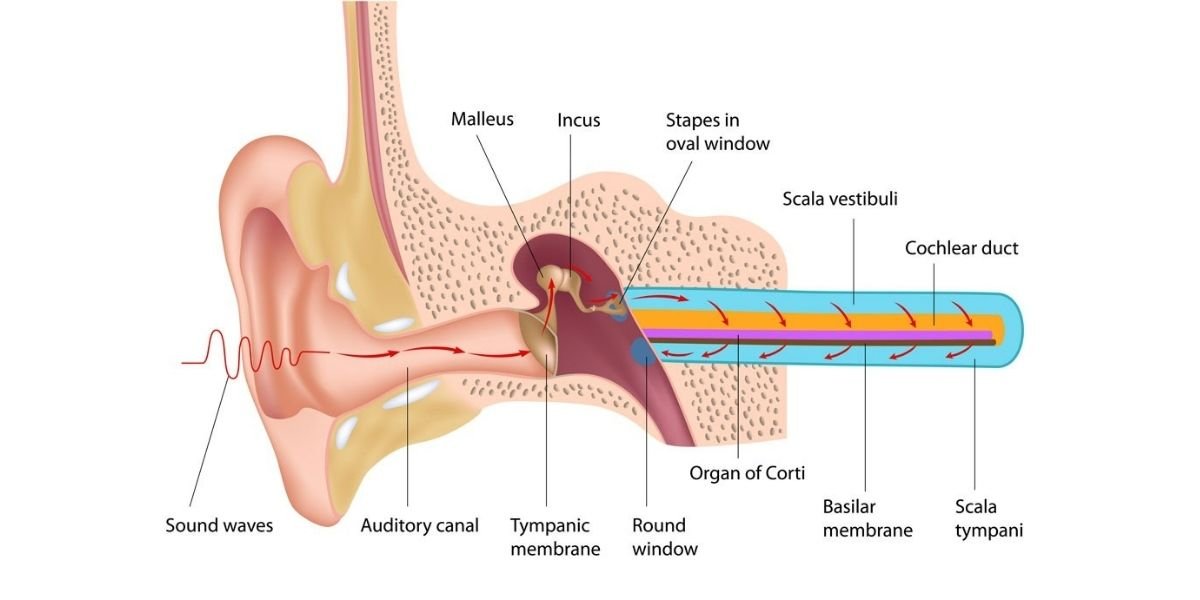

The inner ear plays a vital role in both hearing and balance. When something goes wrong in this delicate system, it can lead to hearing loss, vertigo, tinnitus, or severe imbalance. Understanding the different types of inner ear problems helps in early diagnosis and effective treatment.
In this article, we cover the most common inner ear–related hearing disorders, balance disorders, and other inner ear issues, along with symptoms and treatment options.
Hearing Disorders
1. Sensorineural Hearing Loss (SNHL)
Sensorineural hearing loss occurs when the inner ear (cochlea) or auditory nerve is damaged.
Causes: ageing, noise exposure, infections, ototoxic medications.
Symptoms: reduced clarity, difficulty hearing speech, distortion.
Treatment: hearing aids, cochlear implants (for severe cases), auditory rehabilitation.
2. Sudden Sensorineural Hearing Loss (SSNHL)
A medical emergency where hearing drops suddenly—usually within 72 hours.
Causes: viral infections, circulatory issues, autoimmune conditions.
Symptoms: sudden deafness in one ear, fullness, ringing.
Treatment: immediate steroid therapy; faster treatment leads to better recovery.
3. Age-Related Hearing Loss (Presbycusis)
Gradual hearing loss due to natural ageing of the inner ear structures.
Symptoms: difficulty hearing high-frequency sounds, trouble in noisy places.
Treatment: digital hearing aids, hearing protection, regular check-ups.
4. Noise-Induced Hearing Loss (NIHL)
Caused by long-term exposure to loud noise or sudden loud blasts.
Symptoms: tinnitus, muffled hearing.
Treatment: hearing aids, noise protection, lifestyle modifications.
Balance Disorders (Inner Ear Vestibular Issues)
1. Vertigo
A spinning sensation caused by disturbances in the inner ear balance system.
Causes: BPPV, vestibular neuritis, Ménière’s disease.
Treatment: depends on cause; may include vestibular exercises, medication, or maneuvers.
2. Labyrinthitis
Inflammation of the inner ear labyrinth, usually due to viral infection.
Symptoms: vertigo, nausea, hearing loss.
Treatment: rest, antivirals, steroids, vestibular rehabilitation.
3. Vestibular Neuritis
Inflammation of the vestibular nerve affecting balance (without hearing loss).
Symptoms: severe vertigo, imbalance.
Treatment: steroids, vestibular therapy.
4. BPPV (Benign Paroxysmal Positional Vertigo)
A common disorder caused by displaced calcium crystals in the inner ear.
Symptoms: dizziness triggered by head movements.
Treatment: Canalith repositioning maneuvers (Epley maneuver).
5. Ménière’s Disease
A chronic vestibular disorder with fluid imbalance in the inner ear.
Symptoms: vertigo episodes, hearing loss, tinnitus, ear fullness.
Treatment: low-salt diet, diuretics, injections, hearing aids, surgery (for severe cases).
Other Inner Ear Issues
1. Tinnitus (Ringing in the Ears)
A perception of sound (ringing, buzzing, hissing) without any external source.
Causes: hearing loss, noise exposure, ear diseases, stress.
Treatment: sound therapy, hearing aids, tinnitus management programs.
2. Hyperacusis
Increased sensitivity to everyday sounds.
Causes: nerve damage, anxiety, noise trauma.
Treatment: sound desensitization therapy, counseling.
3. Auditory Neuropathy Spectrum Disorder (ANSD)
A condition where sound enters the inner ear normally but the auditory nerve fails to transmit signals properly.
Symptoms: difficulty understanding speech, fluctuating hearing.
Treatment: hearing aids, cochlear implants, speech therapy.
When to Consult an ENT or Audiologist?
Seek medical attention immediately if you experience:
-
Sudden hearing loss
-
Severe or recurring vertigo
-
Persistent ringing in the ears
-
Imbalance affecting daily life
Early diagnosis improves outcomes significantly.
Leave a Comment