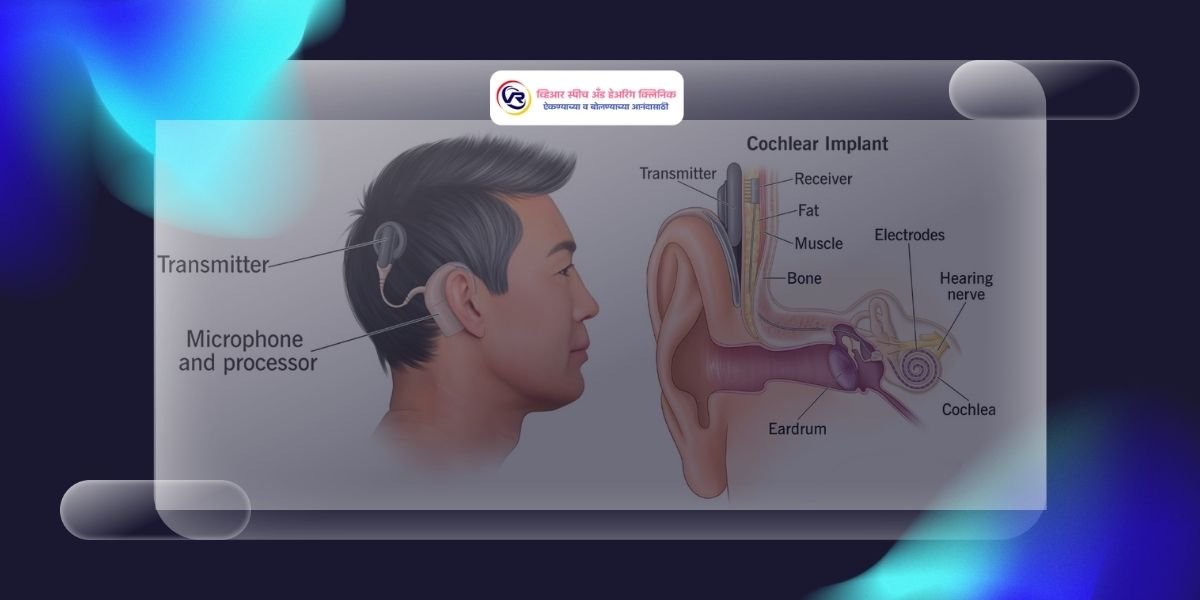

Hearing loss can profoundly affect communication, learning, social interaction, and overall quality of life. While hearing aids benefit many people, they may not be effective for those with severe or profound hearing loss. In such cases, cochlear implants offer a life-changing solution by providing direct electrical stimulation to the auditory nerve.
This article explains what cochlear implants are, how they work, who can benefit from them, the cost of cochlear implants in India, and what to expect during surgery, recovery, and aftercare.
What Is a Cochlear Implant?
A cochlear implant is a small electronic medical device that helps restore a sense of sound to individuals who are profoundly deaf or severely hard of hearing. Unlike traditional hearing aids that amplify sound, cochlear implants bypass the damaged inner ear and send signals directly to the auditory nerve.
They are ideal for individuals who receive little or no benefit from powerful hearing aids and want a more effective hearing solution.
Pros and Cons of Cochlear Implants
Pros
-
Improved Hearing Ability
Most users experience significantly better sound awareness and speech clarity. -
Better Communication
Easier phone conversations and improved participation in daily interactions. -
Enhanced Safety
Ability to hear alarms, traffic sounds, and warning signals. -
Improved Quality of Life
Especially in children, it supports language development, education, and social integration.
Cons
-
Surgical Risks
Possible complications include infection, bleeding, device failure, or dizziness. -
Different Hearing Experience
Sounds may initially seem artificial until the brain adapts. -
High Cost
Cochlear implant surgery and the device can be expensive without insurance or government support. -
Variable Results
Outcomes differ depending on age, cause of hearing loss, and duration of deafness.
Who Is Eligible for a Cochlear Implant?
Cochlear implant candidacy is determined through ENT and audiology evaluations.
Typical candidates include:
-
Adults or children with severe to profound sensorineural hearing loss
-
Individuals receiving minimal benefit from high-powered hearing aids
-
Patients with a functional auditory nerve
-
Children aged 12 months and above (sometimes younger in special cases)
-
Individuals committed to follow-up therapy and device maintenance
Candidacy also depends on overall health, motivation, family support (for children), and expectations.
How Do Cochlear Implants Work?
A cochlear implant has two main parts:
1. External Component
-
Sits behind the ear
-
Includes the microphone, sound processor, and transmitter
-
Captures sounds and converts them into digital signals
2. Internal Component
-
Surgically implanted under the skin
-
Includes the receiver and electrode array
-
Sends electrical impulses to the cochlea
-
Stimulates the auditory nerve, allowing the brain to perceive sound
Though the sound is not identical to natural hearing, most users adapt and begin understanding speech more easily over time.
What Happens During Cochlear Implant Surgery?
Cochlear implantation is typically a 1.5 to 3-hour procedure performed under general anesthesia.
Surgical Steps:
-
A small incision is made behind the ear
-
The surgeon drills a tiny opening in the mastoid bone
-
The electrode array is inserted into the cochlea
-
The internal receiver is placed under the skin
-
The incision is closed, and the patient is sent to recovery
Most patients go home the same day or after overnight observation.
Cochlear Implant Cost in India
The cost varies depending on the brand, hospital, surgeon, and city.
Typical Cost Breakdown:
-
Implant Device: ₹5,00,000 – ₹8,00,000
-
Surgery & Hospital Charges: ₹1,00,000 – ₹2,00,000
-
Pre-surgery Tests & Speech Therapy: ₹50,000 – ₹1,00,000
Total Cochlear Implant Cost in India:
₹6,50,000 – ₹11,00,000
Insurance and Government Support
Private Insurance
Some insurers cover cochlear implant surgery partially or fully based on the policy.
Government Schemes (India)
-
ADIP Scheme – Offers free or subsidized cochlear implants for eligible low-income children
-
State health schemes may also provide financial assistance
Cochlear Implant Replacement Cost
If the internal device fails after the warranty (typically 5–10 years), replacement may cost ₹3,00,000 – ₹6,00,000.
Recovery After Cochlear Implant Surgery
Recovery Timeline
-
1–2 weeks: Incision healing and mild discomfort
-
2–4 weeks: Device activation and initial programming
-
1–6 months: Adjustment to new sounds, consistent therapy required
-
6–12 months: Significant improvement in hearing and speech understanding
Most people return to daily activities within a week.
Aftercare Tips for Cochlear Implant Users
-
Regular Audiology Visits
Frequent programming in the initial months, then annual check-ups. -
Speech and Auditory Therapy
Crucial for children and adults who haven’t heard sounds for long periods. -
Protect the Device from Water and Dust
Use waterproof accessories if swimming. -
Battery Care and Device Cleaning
Regular maintenance ensures optimal performance. -
Avoid Accidental Impacts
Protect the implant site during sports or high-impact activities.
Conclusion
Cochlear implants have revolutionized hearing rehabilitation for individuals with severe to profound hearing loss. Although the cost may be high, the improvement in communication, independence, and overall quality of life makes it a worthwhile investment. With proper evaluation, surgery, and rehabilitation, cochlear implant users can reconnect with the world of sound in meaningful ways.
Frequently Asked Questions (FAQs)
1. Is a cochlear implant better than a hearing aid?
Yes, for people with severe or profound sensorineural hearing loss who do not benefit from hearing aids, cochlear implants provide significantly clearer sound and speech understanding.
2. What is the minimum age for a cochlear implant?
Children as young as 12 months can receive a cochlear implant. In certain cases, implantation may be recommended earlier.
3. How long does a cochlear implant last?
The internal implant is designed to last many years, often 10+ years. The external processor may need upgrades every few years.
4. Is cochlear implant surgery painful?
No. It is performed under general anesthesia, and most patients report mild discomfort afterward, manageable with medication.
5. How soon can I hear after surgery?
Hearing does not start immediately. The device is activated 2–4 weeks after surgery once healing occurs.
6. Can cochlear implants restore normal hearing?
No. They provide a representation of sound, not natural hearing. However, most users adapt well and achieve excellent speech understanding.
7. Are cochlear implants safe?
Yes. The procedure is widely performed and considered safe, though it carries general surgical risks.
8. Can I swim or bathe with a cochlear implant?
The internal implant is safe, but the external processor must be removed or covered with waterproof accessories.
9. Does insurance cover cochlear implants in India?
Some private policies cover them partially. Government schemes like ADIP provide implants free for eligible children.
10. How long is the recovery period?
Most people heal in 1–2 weeks, but full auditory adjustment takes several months with therapy.
Leave a Comment