Do you sometimes feel dizzy, unsteady, or “off-balance” while walking? If yes, you may be experiencing a balance disorder. Occasional lightheadedness can happen due to weakness, dehydration, or viral infections. However, frequent episodes of dizziness or imbalance should never be ignored, as they often indicate an underlying issue in the inner ear, brain, or nervous system.
Balance disorders can occur at any age but are more common among middle-aged and older adults. This comprehensive guide explains the symptoms, causes, types of balance disorders, diagnosis, treatment, and home remedies—specially written for the Indian audience.
What Are Balance Disorders?
A balance disorder is a condition where you feel unsteady, dizzy, or experience a spinning sensation (vertigo). The issue occurs when the body’s balance system—which includes the inner ear (vestibular system), eyes, muscles, joints, and brain—is disrupted.
When any of these systems fail to communicate properly, your body struggles to maintain equilibrium.
Symptoms of Balance Disorders
Balance disorder symptoms vary from person to person, but the most common include:
-
Dizziness or vertigo (spinning sensation)
-
Feeling unsteady or about to fall
-
Staggering while walking
-
Lightheadedness or a floating sensation
-
Disorientation
-
Blurred or double vision
-
Headaches
-
Nausea and vomiting
-
Anxiety or panic
-
Tinnitus (ringing in ears)
-
Hearing loss
If you experience any of these symptoms frequently, consult an ENT or audiologist immediately.
How Does the Balance System Work?
Most people know the ear is responsible for hearing, but few know that the inner ear plays a crucial role in balance.
The balance organ, called the vestibular system, detects head movements and body position. It sends this information to the brain, which combines it with signals from:
-
Eyes (visual cues)
-
Muscles & joints (body awareness)
-
Skin (touch and pressure)
A disturbance in any of these systems can lead to imbalance.
Common Causes of Balance Problems
The medical term for imbalance is disequilibrium. Several factors can lead to dizziness or balance loss:
1. Inner Ear Disorders
These are among the most common causes:
-
Benign Paroxysmal Positional Vertigo (BPPV)
-
Ménière’s Disease
-
Vestibular Neuritis
-
Labyrinthitis
2. Medications
Certain drugs may cause dizziness, such as:
-
Diuretics
-
Antidepressants
-
Anti-seizure medicines
3. Head Injuries
Trauma can damage parts of the brain responsible for balance.
4. Blood Circulation Problems
Poor blood flow to the brain or inner ear can trigger dizziness.
5. Age-related Changes
Older adults may experience imbalance due to:
-
Weak eyesight
-
Blood pressure fluctuations
-
Degeneration of inner ear structures
6. Neurological Disorders
Conditions such as:
-
Parkinson’s Disease
-
Alzheimer’s Disease
-
Acoustic neuroma (benign tumor on the balance nerve)
Inner Ear Disorders Causing Balance Problems
Below are the major inner ear problems that commonly cause balance issues.
1. Benign Paroxysmal Positional Vertigo (BPPV)
BPPV is the most common cause of vertigo, especially in older individuals.
What Happens in BPPV?
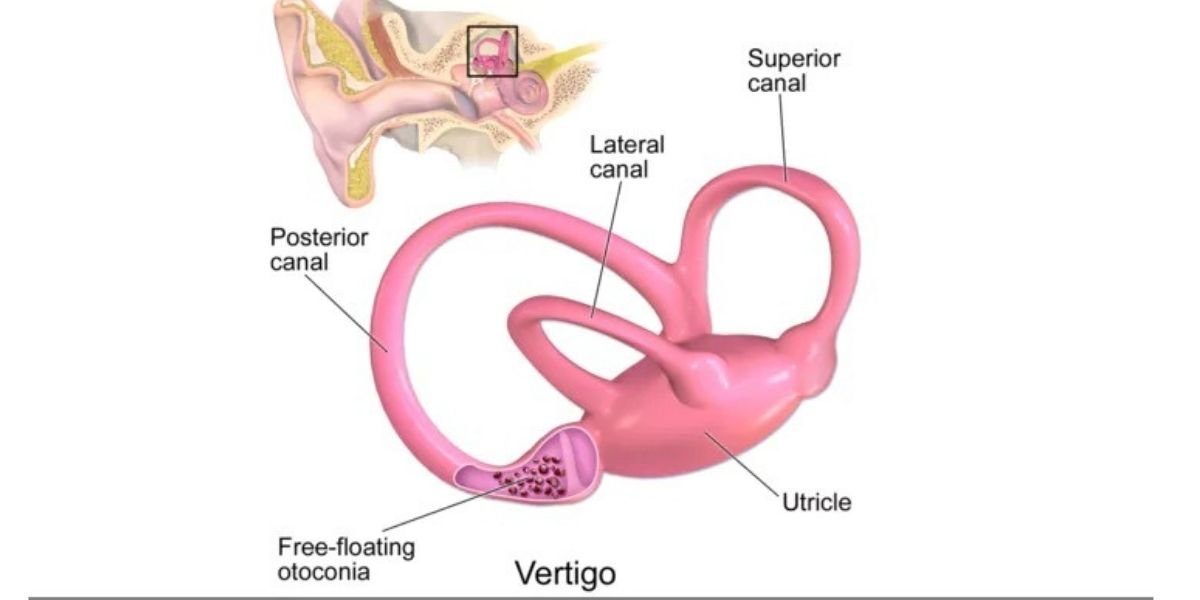
Tiny calcium crystals called otoconia get dislodged from their normal place and move into the semicircular canals of the inner ear. This disrupts balance signals and causes vertigo.
Symptoms
-
Sudden spinning sensation
-
Triggered by rolling in bed, looking up, or bending
-
Nausea
-
Light-headedness
Diagnosis
-
Medical history
-
Physical examination
-
Dix-Hallpike Maneuver – primary test for BPPV
-
ENG or VNG tests if needed
Treatment
-
Epley Maneuver (80–90% success rate)
-
Canalith repositioning techniques
-
Vestibular exercises
BPPV is not dangerous and usually resolves with proper treatment.
2. meniers Disease
meniers disease is caused by excess fluid buildup in the inner ear.
Symptoms
-
Repeated vertigo episodes (20 minutes to several hours)
-
Tinnitus
-
Aural fullness (pressure in the ear)
-
Hearing loss (may become permanent over time)
Possible Causes
-
Abnormal inner ear fluid buildup
-
Viral infections
-
Autoimmune disorders
-
Allergies
-
Genetic factors
Diagnosis
-
Hearing test
-
Balance tests (ENG, VNG, VEMP, vHIT, etc.)
-
Medical history
-
Imaging to rule out other conditions
Treatment
-
Low-salt diet
-
Diuretics
-
Vertigo-control medicines
-
Avoid caffeine, alcohol, tobacco
-
Stress management
-
Vestibular rehabilitation
There is no cure, but symptoms can be effectively managed.
3. Vestibular Neuritis
An inflammation of the vestibular nerve, often triggered by viral infections.
Symptoms
-
Sudden, severe vertigo
-
Nausea and vomiting
-
Difficulty walking straight
-
Involuntary eye movements (nystagmus)
Causes
-
Common cold or flu viruses
-
Herpes viruses
-
EBV, CMV infections
Treatment
-
Antiviral medications
-
Steroids to reduce inflammation
-
Anti-nausea medicines
-
Vestibular Rehabilitation Therapy (VRT)
-
Gaze stabilization exercises
Most patients recover within a few weeks.
4. Labyrinthitis
Labyrinthitis is an infection of the inner ear labyrinth affecting both hearing and balance.
Symptoms
-
Vertigo
-
Hearing loss
-
Tinnitus
-
Blurry vision
-
Nausea and vomiting
-
Difficulty concentrating
Causes
-
Viral infections (most common)
-
Bacterial infections
-
Certain medications
-
Head injury
Treatment
-
Antivirals
-
Corticosteroids
-
Antihistamines
-
Antiemetics
-
Rest and hydration
Home Remedies
-
Warm compress
-
Saltwater gargle
-
Keep head elevated
-
Avoid sudden movements
Diagnosis of Balance Disorders
Your doctor may recommend:
-
Hearing test (audiometry)
-
VNG / ENG
-
Caloric test
-
VEMP
-
Rotary chair test
-
Posturography
-
MRI or CT scan
-
Blood tests
Early diagnosis can significantly improve recovery.
Treatment Options for Balance Disorders
Treatment depends on the underlying cause.
1. Medications
-
Anti-vertigo medicines
-
Antihistamines
-
Steroids
-
Anti-nausea medicines
-
Diuretics (for Ménière’s)
2. Vestibular Rehabilitation Therapy (VRT)
A physiotherapy-based program to:
-
Improve balance
-
Reduce dizziness
-
Strengthen stability
3. Lifestyle and Diet Changes
-
Low salt diet
-
Reduce caffeine and alcohol
-
Stay hydrated
-
Manage stress
-
Adequate sleep
4. Surgical Treatments
Only recommended in severe, non-responsive cases.
Home Care Tips for Dizziness and Balance Problems
-
Get up slowly
-
Avoid quick neck movements
-
Use support while walking
-
Keep your home obstruction-free
-
Drink plenty of water
-
Avoid bright screens during dizziness
-
Do simple balance exercises (if your doctor approves)
When Should You Seek Medical Help?
Seek immediate medical attention if dizziness is accompanied by:
-
Sudden hearing loss
-
Severe headache
-
Slurred speech
-
Double vision
-
Weakness or numbness
-
Continuous vomiting
These may indicate serious neurological issues.
Conclusion
Balance disorders can be unsettling but are highly manageable when diagnosed early. Whether caused by inner ear problems, infections, age-related changes, or neurological conditions, proper medical care can help you return to normal life.
If you experience frequent dizziness or imbalance, consult an ENT specialist or audiologist for accurate diagnosis and personalized treatment.
Frequently Asked Questions (FAQs)
1. Are balance disorders common in India?
Yes, many Indians experience vertigo due to infections, ear problems, and climate-related viral illnesses.
2. Can stress cause dizziness?
Yes. Stress, anxiety, and panic attacks can trigger dizziness and imbalance.
3. Is BPPV permanent?
No. BPPV is temporary and treatable with maneuvers like the Epley maneuver.
4. Can ear infections cause vertigo?
Yes. Inner ear infections like labyrinthitis commonly cause dizziness.
5. Which doctor should I visit for balance problems?
An ENT specialist or audiologist trained in vestibular disorders.
6. Can dehydration cause dizziness?
Yes, especially during Indian summers.
7. Does vertigo need long-term treatment?
It depends on the cause. Some conditions resolve quickly; others may need ongoing management.
8. Can yoga help with balance disorders?
Yes. Yoga improves stability, reduces stress, and enhances overall body balance.