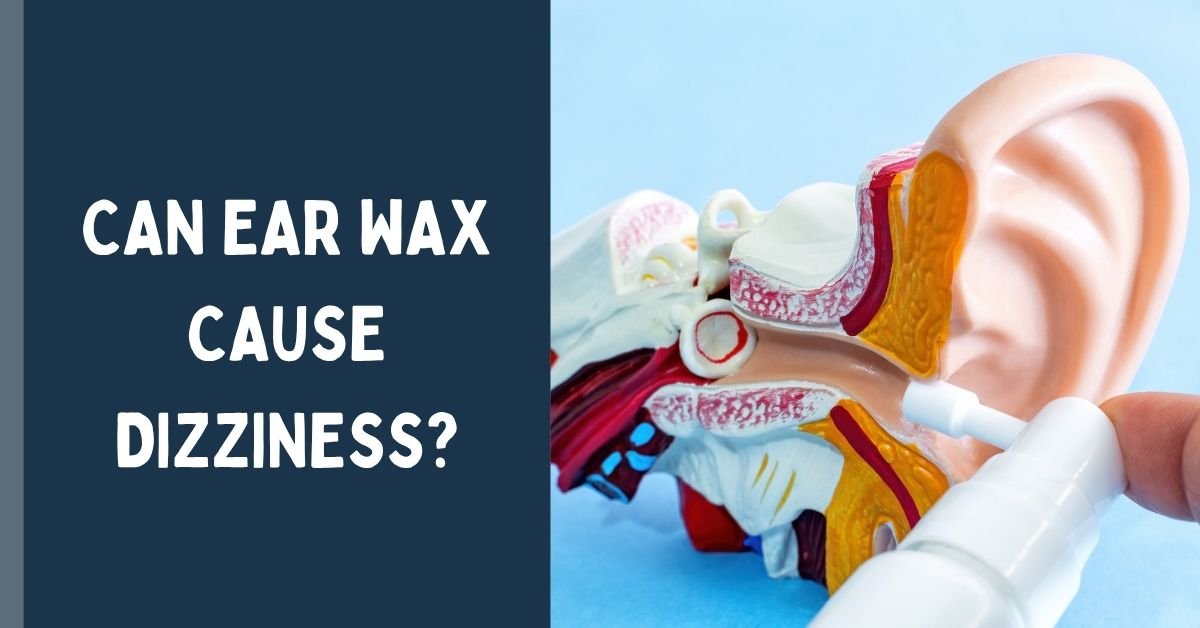
Ear wax (cerumen) is a natural substance that protects your ear canal by trapping dust, debris, and bacteria. Usually, ear wax moves outward on its own and falls out naturally. But when it builds up and becomes impacted, it can lead to several symptoms—including dizziness.
Many people are surprised to learn that a simple ear wax blockage can disturb their balance. Here’s a clear and SEO-friendly guide explaining how ear wax causes dizziness, symptoms to watch for, treatment options, and when to see a doctor.
How Ear Wax Can Cause Dizziness
Your ears are responsible not only for hearing but also for maintaining balance. The inner ear contains the vestibular system, which helps your brain understand movement and body position.
When too much ear wax builds up:
✅ 1. It Blocks the Ear Canal
A blockage changes pressure inside the ear and interferes with sound transmission. This imbalance can make you feel unsteady.
✅ 2. It Irritates the Eardrum
A clogged ear canal puts pressure on the eardrum, leading to fullness, discomfort, and a spinning sensation.
✅ 3. It Affects Balance Signals
If wax becomes hard or impacted, it can send wrong signals to the brain, resulting in dizziness or vertigo.
Common Symptoms of Ear Wax–Related Dizziness
You may experience:
-
Feeling of spinning (vertigo)
-
Lightheadedness
-
Loss of balance
-
Ear fullness or blockage
-
Decreased hearing
-
Tinnitus (ringing in ears)
-
Ear pain or discomfort
If dizziness comes suddenly or with severe nausea, seek immediate medical help.
Who Is More Likely to Get Ear Wax Blockage?
-
People who use earphones/earbuds daily
-
Those who use cotton buds (which push wax deeper)
-
Seniors (wax gets harder with age)
-
People with narrow ear canals
-
Those who wear hearing aids
How Is Ear Wax–Related Dizziness Diagnosed?
A doctor or audiologist will examine the ear using an otoscope. They check for:
-
Impacted wax
-
Swelling
-
Infection
-
Eardrum issues
If wax is the cause, dizziness usually improves immediately after removal.
Treatment: How to Remove Ear Wax Safely
✔️ 1. Professional Ear Wax Removal
This is the safest and fastest option. Methods include:
-
Microsuction
-
Ear irrigation
-
Manual removal using instruments
Never attempt removal at home if you are dizzy.
✔️ 2. Ear Drops
Ear drops can soften wax, but they should only be used if your eardrum is healthy.
✔️ 3. Avoid Cotton Buds
They push wax deeper, increasing the risk of dizziness and infection.
Can Untreated Ear Wax Cause Serious Problems?
Yes. Ignoring ear wax blockage may lead to:
-
Recurrent dizziness
-
Temporary hearing loss
-
Ear infection
-
Tinnitus
-
Headaches
-
Balance disturbances
When to See an ENT or Audiologist
Seek help if you notice:
-
Persistent dizziness
-
Hearing loss
-
Ear pain or discharge
-
Frequent wax buildup
-
Ringing or buzzing sound
Professional cleaning gives fast relief and prevents complications.
FAQs: Can Ear Wax Cause Dizziness?
1. Can ear wax really make you feel dizzy?
Yes. Impacted ear wax can disturb pressure in the ear canal and affect the balance system, leading to dizziness.
2. Will dizziness go away after removing ear wax?
In most cases, dizziness improves within minutes to hours after safe wax removal.
3. Can ear drops cure dizziness caused by wax?
Ear drops may help soften wax, but professional removal is often required for complete relief.
4. Should I use cotton buds to remove ear wax?
No. Cotton buds push wax deeper and increase the chance of dizziness and infection.
5. Can ear wax cause vertigo?
Yes. A severe blockage can trigger vertigo, a spinning sensation.
6. Is ear wax dizziness dangerous?
Usually not—but if you have severe dizziness, vomiting, or sudden hearing loss, consult a doctor immediately.
Conclusion
Yes, ear wax can cause dizziness, especially when it becomes impacted or blocks the ear canal. Fortunately, it’s a treatable condition. Proper ear hygiene, avoiding cotton buds, and regular check-ups with an ENT or audiologist can prevent problems.