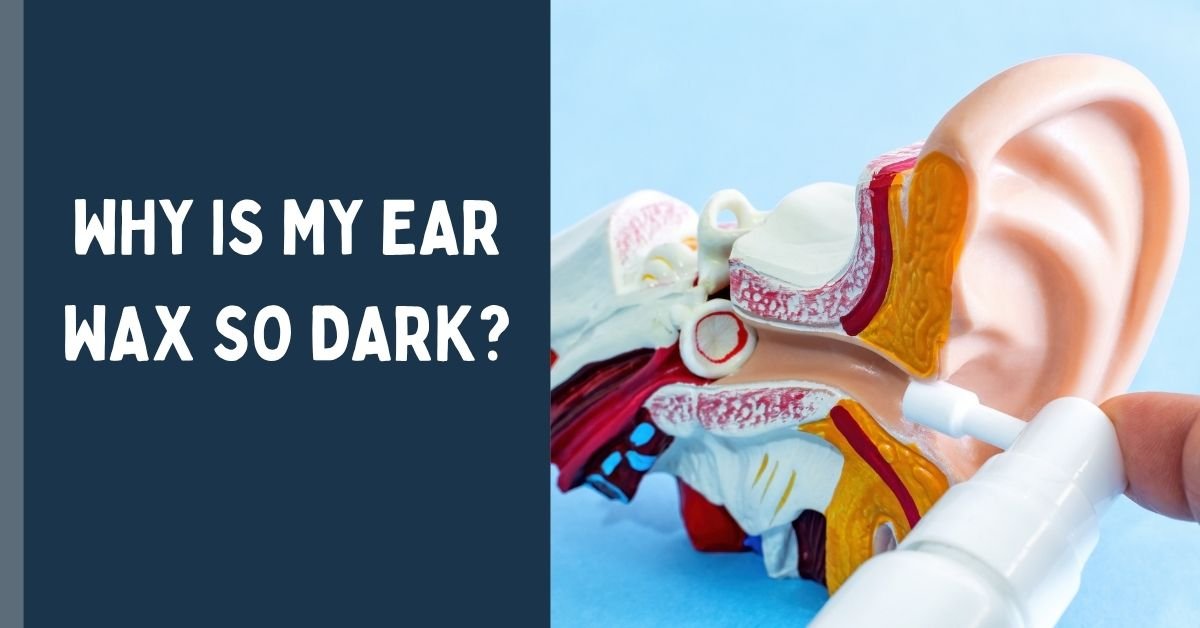

Earwax—also called cerumen—is a natural substance produced by glands in your ear canal. It acts as your ear’s self-cleaning and protective system. But many people get concerned when they suddenly notice dark brown or even black ear wax.
So, why does ear wax become so dark? Is it normal or a sign of a problem?
Let’s understand.
What Causes Dark Ear Wax?
1. Natural Oxidation (Most Common Reason)
When earwax stays inside the ear canal for a longer time, it gets exposed to air. This causes oxidation, turning the wax from yellow → brown → dark brown → black.
This is completely normal.
2. Accumulated Old Ear Wax
If the wax has not been cleaned for weeks or months, it becomes harder and darker.
People with narrow ear canals or excess wax production are more likely to have darker ear wax.
3. Dust, Pollution & Dirt Exposure
If you are exposed to:
-
Pollution
-
Dusty environment
-
Construction sites
-
Outdoor work
…your earwax may trap more dirt, making it appear darker than usual.
4. Frequent Use of Earphones or Hearing Aids
Using earbuds, in-ear headphones, or hearing aids reduces airflow inside the ear.
This leads to:
-
More wax production
-
Older wax stuck inside
-
Darker color
Audiologists often see this with hearing-aid users.
5. Mild Bleeding Inside the Ear
If dark earwax looks blackish-red, it may be mixed with tiny dried blood caused by:
-
Scratching ears with earbuds
-
Aggressive ear cleaning
-
Minor injury
-
Removing impacted wax
If bleeding continues, get it checked.
6. Ear Infection (Less Common)
Sometimes, infection can change the color of earwax.
Signs include:
-
Foul smell
-
Pain
-
Discharge
-
Itching
Dark earwax with these symptoms needs medical attention.
Is Dark Ear Wax Normal?
Yes—most of the time.
Dark earwax alone is not a problem. It usually means:
-
Wax is older
-
More oxidized
-
Mixed with dirt
But if accompanied by pain, hearing loss, or bad smell, consult an ENT or audiologist.
Types of Ear Wax and What They Mean
| Type | Color | Meaning |
|---|---|---|
| Fresh Ear Wax | Yellow/light brown | Normal, newly produced |
| Old Ear Wax | Dark brown/black | Oxidized, older wax |
| Sticky Ear Wax | Deep golden/brown | Normal; protects ear |
| Dry or Flaky Wax | Light grey/white | Genetic variation |
| Bloody/Dark Red Wax | Blackish red | Possible injury or dried blood |
| Wet/Foul-Smelling Wax | Brown/greenish | Possible infection |
When Should You Worry About Dark Ear Wax?
Seek medical help if you notice any of these:
✔ Ear pain
✔ Persistent itching
✔ Hearing loss
✔ Bad smell
✔ Discharge (yellow/green)
✔ Feeling of blockage
✔ Dizziness
Sometimes dark wax builds up and causes impaction—which needs professional cleaning.
How to Prevent Dark Ear Wax Buildup
-
Avoid using earbuds or matchsticks
-
Do not dig inside ears
-
Clean outer ears only
-
Use doctor-recommended ear drops if needed
-
Schedule regular ear check-ups, especially if you use hearing aids
FAQs About Dark Ear Wax
1. Is dark ear wax a sign of infection?
Not always. Dark color usually means old wax. Infection is suspected only if there is pain, smell, or discharge.
2. Why is my ear wax black all of a sudden?
Black indicates very old or oxidized wax. Sometimes it mixes with dust or dried blood.
3. Should I clean dark ear wax myself?
No. Never insert anything inside your ear canal. You can clean the outside gently, but internal wax should be removed by a professional.
4. Does dark ear wax mean I have hearing loss?
Not necessarily. But if the wax is impacted or hardened, it can temporarily reduce hearing.
5. Can stress or diet cause dark ear wax?
No. Stress and diet don’t affect wax color. Oxidation and buildup are the main reasons.
6. Why is my child’s ear wax dark?
Children often produce more wax. If it stays inside longer, it becomes darker. Usually not a serious issue.
Conclusion
Dark ear wax is usually normal and simply indicates older, oxidized wax. But if it smells bad, causes pain, or blocks your hearing, it’s important to get it checked by an ENT or audiologist.


Leave a Comment