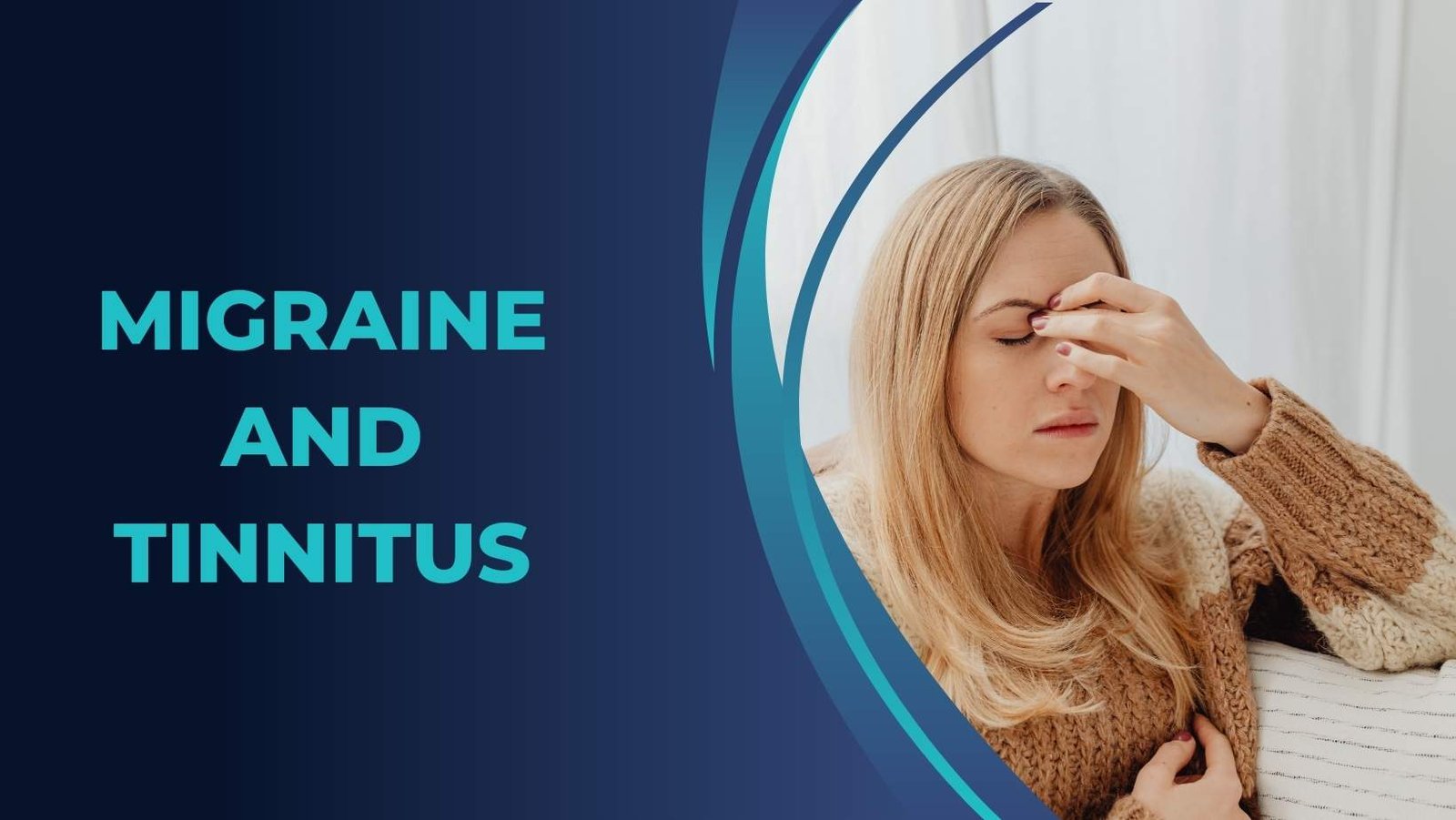

Migraine and tinnitus are two extremely common yet often misunderstood conditions that affect millions of people in India. While they may appear unrelated at first, research increasingly shows a strong link between the two. Understanding this connection can help patients get better diagnoses, more effective treatment plans, and long-term relief.
This detailed guide explains what tinnitus and migraines are, how they may influence each other, and how to manage both conditions effectively.
What Is Tinnitus?
Tinnitus refers to hearing sounds—such as ringing, buzzing, hissing, or whooshing—in the absence of any external source. The sound may be constant or occasional, soft or loud, and may affect one or both ears.
Types of Tinnitus
-
Subjective Tinnitus (Most Common)
-
Heard only by the patient
-
Usually associated with hearing loss, noise exposure, ageing, stress, or ear infections
-
-
Objective Tinnitus (Very Rare – about 2% cases)
-
Can be heard by a doctor with a stethoscope
-
Caused by physical sources like muscle spasms, blood vessel issues, or middle-ear conditions
-
Common Symptoms
-
Ringing, buzzing, humming, clicking or pulsing in the ears
-
Worse during stress or in quiet environments
-
Interferes with sleep and concentration
-
May cause anxiety and depression if chronic
Prevalence
Studies suggest that 1 in 7 adults experience tinnitus at some point. Adults with migraines are significantly more likely to report tinnitus, highlighting a strong clinical relationship.
Migraines: A Brief Overview
Migraines are a neurological condition characterised by severe, throbbing headaches that may last from 4 hours to 3 days. They are often accompanied by:
-
Nausea or vomiting
-
Sensitivity to light and sound
-
Visual disturbances (aura)
-
Fatigue and cognitive fog
Common Migraine Triggers
-
Stress
-
Hormonal changes
-
Poor sleep
-
Chocolates, caffeine, alcohol, aged cheese, processed foods
-
Bright lights
-
Loud sounds
-
Weather changes
The Link Between Migraine and Tinnitus
1. Shared Brain Pathways
Both conditions involve:
-
Abnormal brain activity
-
Disturbances in blood flow
-
Over-sensitive nerves (especially the trigeminal nerve)
This shared pathway helps explain why the two often occur together.
2. Central Sensitisation
During migraines, the brain becomes extra sensitive to sensory signals. This may:
-
Increase awareness of tinnitus
-
Make tinnitus louder or more irritating
-
Trigger temporary tinnitus in people who don’t normally have it
3. Migraine Can Worsen Tinnitus
Many migraine patients report:
-
Tinnitus becoming louder during attacks
-
New tinnitus sounds during severe migraines
-
Tinnitus on the same side as their headache
4. Severity and Laterality
-
More severe migraines → more noticeable tinnitus
-
Unilateral migraines → tinnitus more often on the same side
Treatment Options in India
Managing Migraines
-
Identify and avoid personal triggers
-
Follow a proper sleep schedule
-
Manage stress via yoga, meditation, breathing exercises
-
Stay hydrated
-
Medication options:
-
Triptans
-
Anti-nausea medicines
-
Preventive migraine drugs
-
Botox injections (for chronic migraine)
-
Managing Tinnitus
There is no single cure, but symptoms can be controlled effectively.
Treatment approaches include:
-
Treating underlying causes (earwax, infections, hearing loss)
-
Hearing aids with tinnitus masking features
-
Tinnitus Retraining Therapy (TRT)
-
Cognitive Behavioral Therapy (CBT)
-
Sound therapy / white noise
-
Stress management
Coping Strategies for Patients with Both Migraine & Tinnitus
-
Maintain a regular sleep routine
-
Reduce caffeine and alcohol
-
Protect ears from loud noise
-
Practice mindfulness or meditation
-
Avoid long periods of silence – use soft background sounds
-
Regular exercise
-
Keep a migraine/tinnitus diary to identify triggers
Support Groups & Counselling
Many patients benefit from joining tinnitus or migraine support groups. Counselling helps manage the emotional toll, reduce anxiety, and improve life quality.
Final Thoughts
Migraines and tinnitus are strongly connected through shared neurological pathways. Understanding this relationship helps patients seek the right treatment and lifestyle changes. With proper diagnosis and a customised management plan, most people can significantly reduce symptoms and improve daily life.
If you are experiencing persistent ear ringing, headaches, or hearing issues, it is essential to consult an audiologist or ENT specialist.
Need a Hearing Test? We Provide Home-Visit Hearing Tests Across India
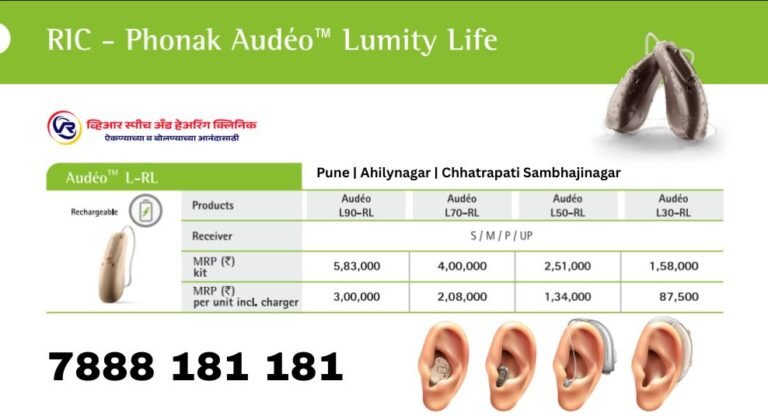
If you suspect hearing loss or tinnitus, VR Speech and Hearing Clinic offers home-visit hearing tests and expert tinnitus management.
Our qualified audiologists provide:
-
Complete hearing evaluation
-
Tinnitus assessment
-
Hearing aid trials
-
Home-based consultations
📞 Ahmednagar Branch: 096575 88677
📞 Aurangabad Branch: 091127 17179
📞 PUNE Branch: 7888181181
Book your home visit today and take the first step towards clearer hearing and better health.

Leave a Comment