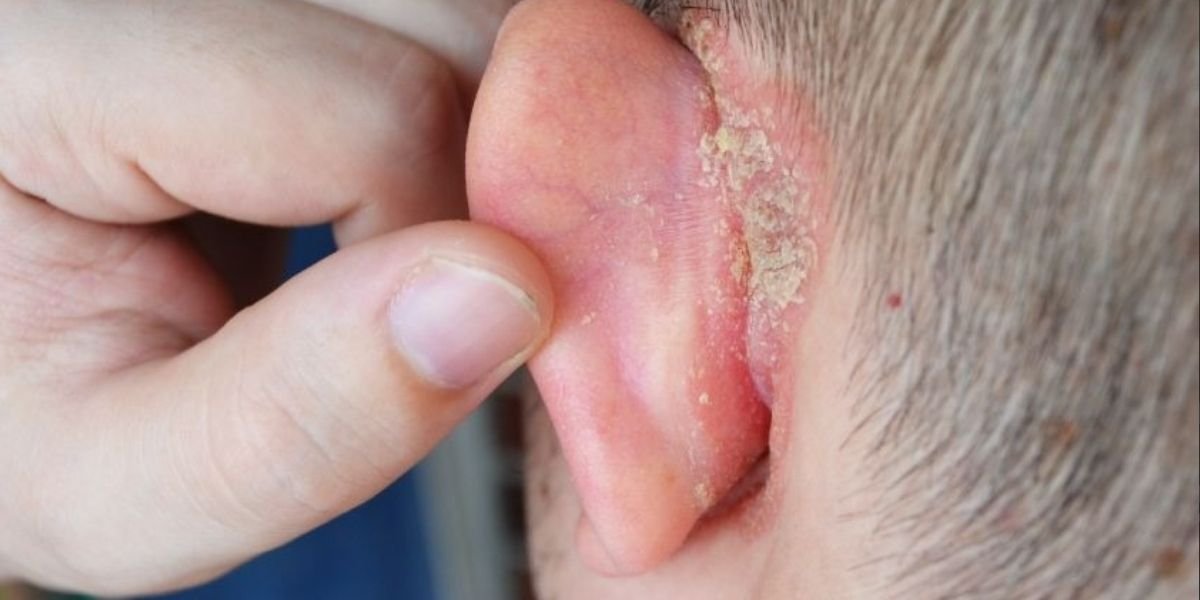

Wearing earbuds, hearing aids, or earrings has become routine for many people. However, these devices can sometimes trigger an uncomfortable skin reaction called contact dermatitis. This condition leads to itching, redness, swelling, or even blisters around the ears.
If you experience irritation while using earbuds, hearing aids, or earrings, this guide will help you understand the causes, symptoms, treatment, and prevention options.
What Is Contact Dermatitis?
Contact dermatitis is a type of skin inflammation that occurs when your skin reacts to an irritant or allergen. It appears on the areas where the skin comes in contact with certain materials—like metal, rubber, acrylic, or silicone.
There are two main types:
1. Irritant Contact Dermatitis
Occurs when the skin is repeatedly exposed to sweat, moisture, friction, or harsh materials. This is common in people who wear earbuds or hearing aids for long hours.
2. Allergic Contact Dermatitis
Happens when the immune system reacts to a substance such as nickel, plastic, or silicone. Even tiny amounts can trigger symptoms in sensitive individuals.
What Causes Allergies from Earbuds, Hearing Aids, and Earrings?
Several materials used in ear devices can irritate the skin or cause allergic reactions.
1. Nickel
A common metal found in earrings and some hearing aid parts. Nickel allergy is one of the most widespread skin allergies worldwide.
2. Silicone or Rubber
Earbud tips, hearing aid domes, and ear molds are often made of silicone—which may cause irritation for some users.
3. Acrylic and Plastic
Present in custom hearing aid shells and ear molds. A small percentage of people are allergic to acrylic resin.
4. Sweat and Moisture
Heat, humidity, and long hours of use cause trapped moisture, which irritates the ear canal and outer ear.
5. Poorly Fitted Devices
Tight earbuds, oversized domes, or heavy earrings create friction, leading to redness and inflammation.
Symptoms of Contact Dermatitis on the Ear
The symptoms vary from person to person but typically affect the earlobe, ear canal entrance, or area behind the ear.
Common symptoms include:
-
Redness or rash
-
Persistent itching or burning
-
Swelling around the ear
-
Dry, flaky, or scaly skin
-
Small bumps or blisters
-
Oozing or crusting (in severe cases)
-
Discomfort while wearing earbuds or hearing aids
If left untreated, the irritation may worsen and lead to infections.
Who Is More Likely to Develop This Condition?
You may be at higher risk of contact dermatitis if:
-
You have sensitive skin, eczema, or a history of allergies
-
You wear hearing aids or earbuds daily
-
You use low-quality or uncoated metal earrings
-
You sweat excessively
-
Your device fits poorly or causes pressure
-
Your skin reacts easily to cosmetic or household products
How Is Contact Dermatitis Diagnosed?
A dermatologist or hearing care specialist may perform:
1. Physical Examination
To check for redness, rashes, swelling, and infected skin.
2. Patch Testing
Helps identify the exact allergen—nickel, silicone, acrylic, or other materials.
3. Device Material Review
The professional may evaluate your earbuds, earrings, or hearing aids to identify the irritant.
Treatment Options for Contact Dermatitis in the Ear
1. Remove or Reduce Use Temporarily
Stop using earbuds, hearing aids, or earrings until the skin heals.
2. Apply Topical Medications
-
Mild steroid creams to reduce inflammation
-
Antihistamine creams for itching
-
Moisturizing creams to restore the skin barrier
3. Oral Medications
In severe cases, doctors may prescribe oral antihistamines or short-term steroids.
4. Treat Secondary Infections
If you notice pus, fever, or crusting, antibiotics or antifungal medicines may be required.
Always consult a professional before using any medication.
How to Prevent Allergies from Earbuds, Hearing Aids, and Earrings
1. Choose Hypoallergenic Materials
Use devices made from:
-
Titanium
-
Surgical stainless steel
-
24k gold
-
Medical-grade silicone
-
Hypoallergenic coated acrylic
2. Clean Your Devices Regularly
Remove earwax, sweat, and debris from earbuds, hearing aids, and ear molds.
3. Ensure a Proper Fit
A well-fitted hearing aid or ear mold reduces friction and irritation.
4. Use Protective Barriers
-
Barrier creams such as petroleum jelly
-
Soft sleeves for hearing aid molds
-
Silicone covers for earbuds
5. Avoid Long-Hour Usage
Give your ears short breaks, especially in hot weather.
6. Replace Worn-Out Parts
Change ear tips, domes, or mold tubing regularly for better hygiene and comfort.
When Should You See a Doctor?
Seek medical help if you notice:
-
Severe itching or swelling
-
Pain that does not improve
-
Fluid-filled blisters
-
Yellow discharge or signs of infection
-
Difficulty wearing hearing aids or earbuds
-
Symptoms lasting more than 48–72 hours
Early treatment helps prevent complications and ensures safe use of your devices.
Conclusion
Contact dermatitis caused by earbuds, hearing aids, or earrings is common but easily manageable. By identifying the cause, choosing skin-friendly materials, keeping devices clean, and following preventive tips, you can reduce irritation and enjoy comfortable use of your ear devices.
If symptoms continue, consult a dermatologist or hearing care expert for customized treatment.
Leave a Comment