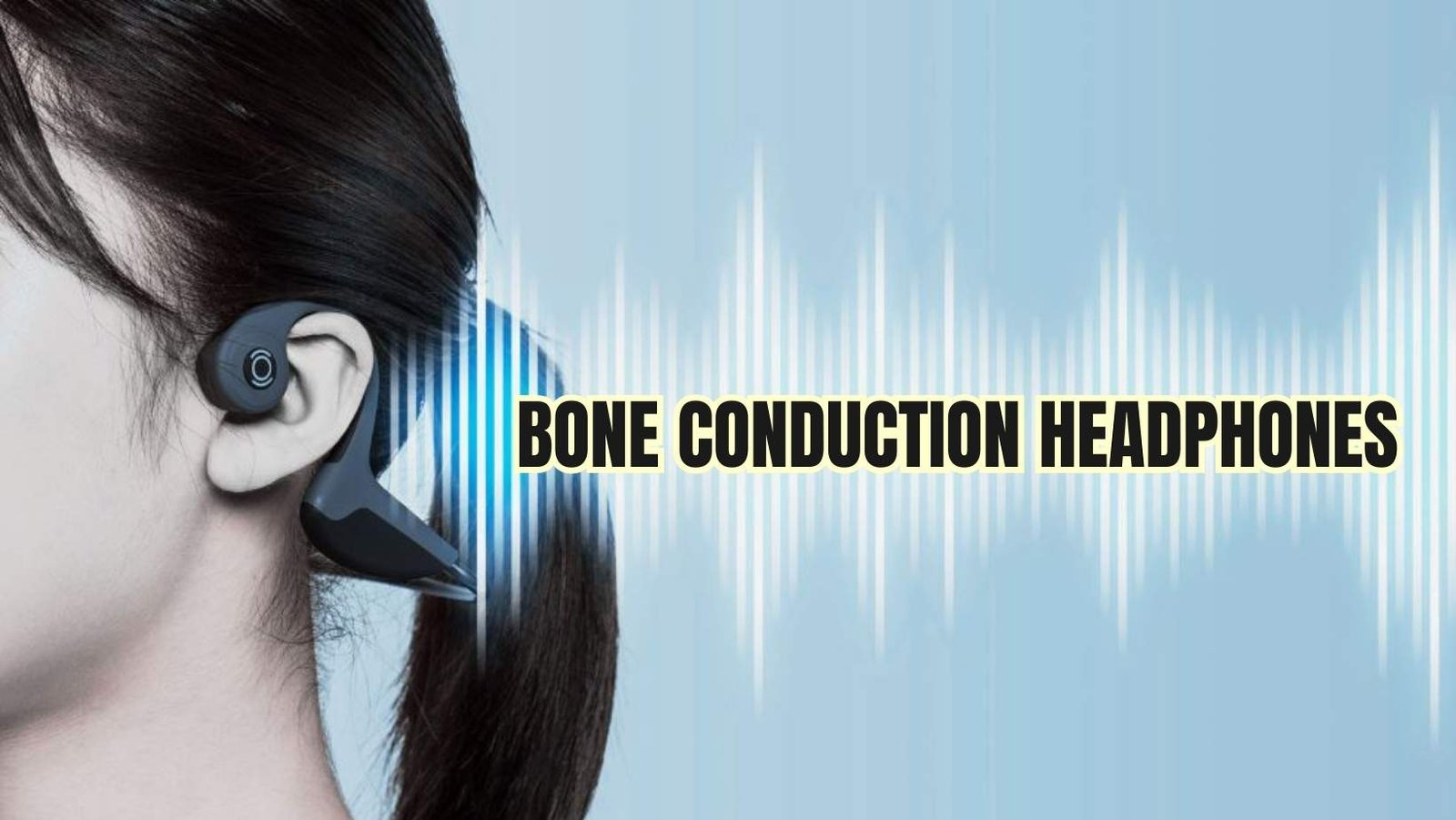

Bone conduction headphones are becoming increasingly popular among fitness enthusiasts, cyclists, runners, and people with hearing difficulties. Instead of covering or plugging your ears, these headphones rest on your cheekbones and send sound vibrations directly to the inner ear through the bones. This unique technology makes them safe, comfortable, and ideal for people who want to stay aware of their surroundings.
In this guide, we break down how bone conduction headphones work, their benefits, drawbacks, best uses, and whether they’re right for you.
What Are Bone Conduction Headphones?
Bone conduction headphones use a special technology that bypasses the eardrum.
Instead of traditional speakers that push sound through the ear canal, these headphones sit on the cheekbones. They convert sound into vibrations, which travel through the skull bones and reach the inner ear (cochlea).
This allows you to hear audio without blocking your ears, making them a safer choice in many environments.
How Do Bone Conduction Headphones Work?
-
The headphone transducers generate vibrations.
-
These vibrations pass through your cheekbones.
-
They directly stimulate the cochlea in the inner ear.
-
The brain interprets these vibrations as sound.
This is the same principle used in some hearing aids, especially for people with conductive hearing loss.
Benefits of Bone Conduction Headphones
✔ 1. Keep Your Ears Open (Situational Awareness)
You can hear traffic, people, and surroundings—ideal for running, cycling, walking, and outdoor activities.
✔ 2. Comfortable for Long Hours
No earbuds inside the ear canal. No pain, no sweating, no pressure.
✔ 3. Safe for People With Ear Infections
People with:
-
ear canal irritation
-
otitis externa
-
perforated eardrum
can use bone conduction headphones without discomfort.
✔ 4. Good for Conductive Hearing Loss
Since they bypass the eardrum, they can help users who don’t hear well through air conduction.
✔ 5. Sweat-Resistant and Lightweight
Most models are IP-rated for sweat and water resistance.
Limitations of Bone Conduction Headphones
❌ Lower Sound Quality
Bass is less powerful compared to traditional headphones.
❌ Sound Leakage
At high volumes, people near you may hear your audio.
❌ Not Ideal for Noisy Places
Since your ears stay open, background noise can interfere with the listening experience.
Best Uses of Bone Conduction Headphones
🏃 1. Running & Jogging
Stay motivated while being aware of traffic.
🚴 2. Cycling
Safer than noise-blocking earbuds on roads.
🏋️ 3. Gym Workouts
Lightweight and sweatproof.
🏫 4. For Students & Office Use
Comfortable for long study or work hours.
👂 5. For People With Certain Types of Hearing Loss
Especially conductive or unilateral hearing loss.
Top Features to Look for When Buying
-
Battery Life: Minimum 6–8 hours.
-
IP Rating: IP55 or higher for sweat-proof use.
-
Bluetooth Version: Prefer Bluetooth 5.0+ for stable connection.
-
Weight: Lighter models feel more comfortable.
-
Microphone Quality: For clear calls.
Are Bone Conduction Headphones Good for Ear Health?
Yes! Since they do not block the ear canal, they reduce risks of:
-
ear infections
-
wax buildup
-
discomfort from long-term use
However, prolonged high-volume listening can still damage the inner ear.
FAQs: Bone Conduction Headphones
1. Are bone conduction headphones safe?
Yes. They keep the ears open and reduce pressure on the eardrum. Just avoid listening at very high volumes.
2. Can people with hearing loss use bone conduction headphones?
They are particularly useful for people with conductive hearing loss, unilateral hearing loss, or perforated eardrum. But people with sensorineural hearing loss may still prefer traditional earphones or hearing aids.
3. Do bone conduction headphones affect hearing?
No, they are generally safe. Still, any device used at high volume for long periods can impact hearing.
4. Are bone conduction headphones good for calls?
Most modern models have noise-cancelling mics, but call quality may not be as clear as high-end true wireless earbuds.
5. Can I use them for swimming?
Some waterproof models are designed for underwater use, but regular Bluetooth models will not work underwater.
6. Do bone conduction headphones leak sound?
Yes, especially at high volumes others may hear your audio.
7. Are they better than normal headphones?
They are better for safety, comfort, and ear health — but traditional headphones provide better bass and sound isolation.
Leave a Comment