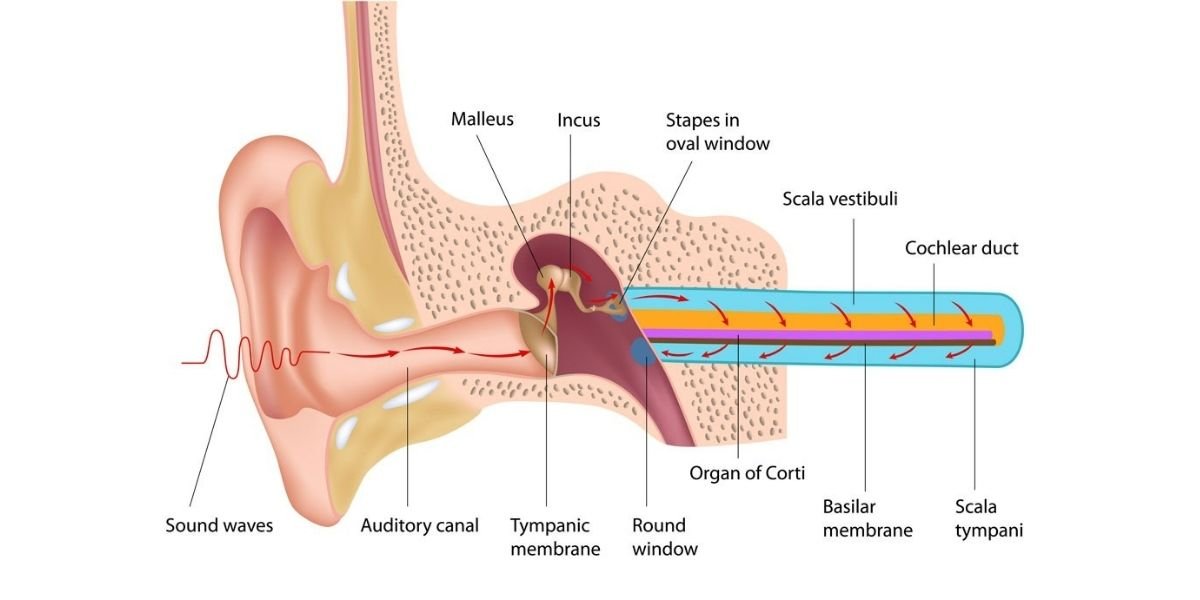

Middle ear problems are among the most common reasons for ear pain, hearing difficulty, and ENT clinic visits. The middle ear contains the eardrum (tympanic membrane) and three small hearing bones (ossicles). Any infection, fluid build-up, or structural damage in this area can affect hearing and overall ear health.
In this article, we break down the most common middle ear problems, including infections, fluid, structural issues, and hearing-related disorders.
1. Middle Ear Infections & Fluid Build-Up
1.1 Otitis Media (Acute or Chronic)
Otitis media refers to inflammation or infection of the middle ear.
-
Acute Otitis Media (AOM): Sudden infection causing severe ear pain, fever, and temporary hearing loss.
-
Chronic Otitis Media: Long-lasting inflammation that may cause recurrent discharge and persistent hearing problems.
Causes: Bacterial/viral infections, allergies, blocked Eustachian tube.
Treatment: Antibiotics, decongestants, pain relief medicines, or myringotomy.
1.2 Serous Otitis Media (Fluid Behind the Eardrum)
Also called Otitis Media with Effusion, it occurs when fluid collects behind the eardrum without active infection.
Symptoms: Muffled hearing, ear fullness, clicking sounds.
Causes: Cold, sinus infection, allergies, Eustachian tube blockage.
Treatment: Decongestants, steam inhalation, nasal sprays, or grommet insertion if persistent.
1.3 Glue Ear
Glue ear happens when the trapped fluid becomes thick and sticky, reducing the eardrum’s movement.
Common in Children: Often affects speech development and learning.
Treatment: Observation, nasal sprays, balloon therapy, or ear tubes (grommets).
1.4 Suppurative Otitis Media (Pus Formation)
This form involves pus-filled infection in the middle ear, usually causing discharge and pain.
Symptoms: Ear discharge, fever, severe discomfort, hearing loss.
Treatment: Antibiotics, suction cleaning, and sometimes surgery.
1.5 Chronic Otitis Media with Perforation
Long-standing middle ear infection can cause a hole in the eardrum, leading to recurrent discharge and hearing loss.
Treatment: Ear precautions (keep ear dry), antibiotics, and tympanoplasty surgery to repair the perforation.
2. Structural Middle Ear Problems
2.1 Eardrum Perforation
A hole or tear in the eardrum due to infection, injury, pressure changes, or loud noise.
Symptoms: Sudden pain relief after rupture, discharge, hearing loss, buzzing.
Treatment: Most heal on their own; larger perforations may need surgery.
2.2 Retraction Pocket
A part of the eardrum gets pulled inward due to negative pressure inside the middle ear.
Risks: Can trap skin cells → may form cholesteatoma.
Treatment: Monitoring, nasal sprays, or surgery depending on severity.
2.3 Cholesteatoma (Dangerous Skin Growth)
Cholesteatoma is an abnormal skin growth behind the eardrum that gradually destroys middle ear structures.
Symptoms: Persistent discharge, foul smell, hearing loss, dizziness.
Treatment: Usually requires surgical removal to prevent complications.
3. Hearing-Related Middle Ear Problems
3.1 Conductive Hearing Loss
Occurs when sound waves cannot travel properly through the middle ear due to fluid, infection, perforation, or ossicle damage.
Symptoms: Reduced hearing, blocked ear, difficulty understanding speech.
Treatment: Depends on the cause—treat infection, repair eardrum, or perform ossicular reconstruction.
3.2 Otosclerosis (Stapes Bone Stiffening)
Otosclerosis is a genetic condition where the stapes bone becomes fixed, preventing sound transmission.
Symptoms: Gradual hearing loss, tinnitus, better hearing in noise (paracusis).
Treatment: Hearing aids, fluoride therapy, or stapedectomy surgery.
When to See an ENT Specialist?
You should consult an ENT doctor if you experience:
-
Persistent ear pain or discharge
-
Sudden or gradual hearing loss
-
Recurrent infections
-
A feeling of fullness or blockage
-
Dizziness associated with ear issues
Early diagnosis ensures faster recovery and prevents complications like permanent hearing loss.
Conclusion
Middle ear problems can range from simple infections to serious structural conditions. Proper diagnosis and timely treatment can restore hearing and prevent long-term damage. If you or your child frequently experiences ear issues, visit an ENT specialist or audiologist for a complete evaluation.
Leave a Comment