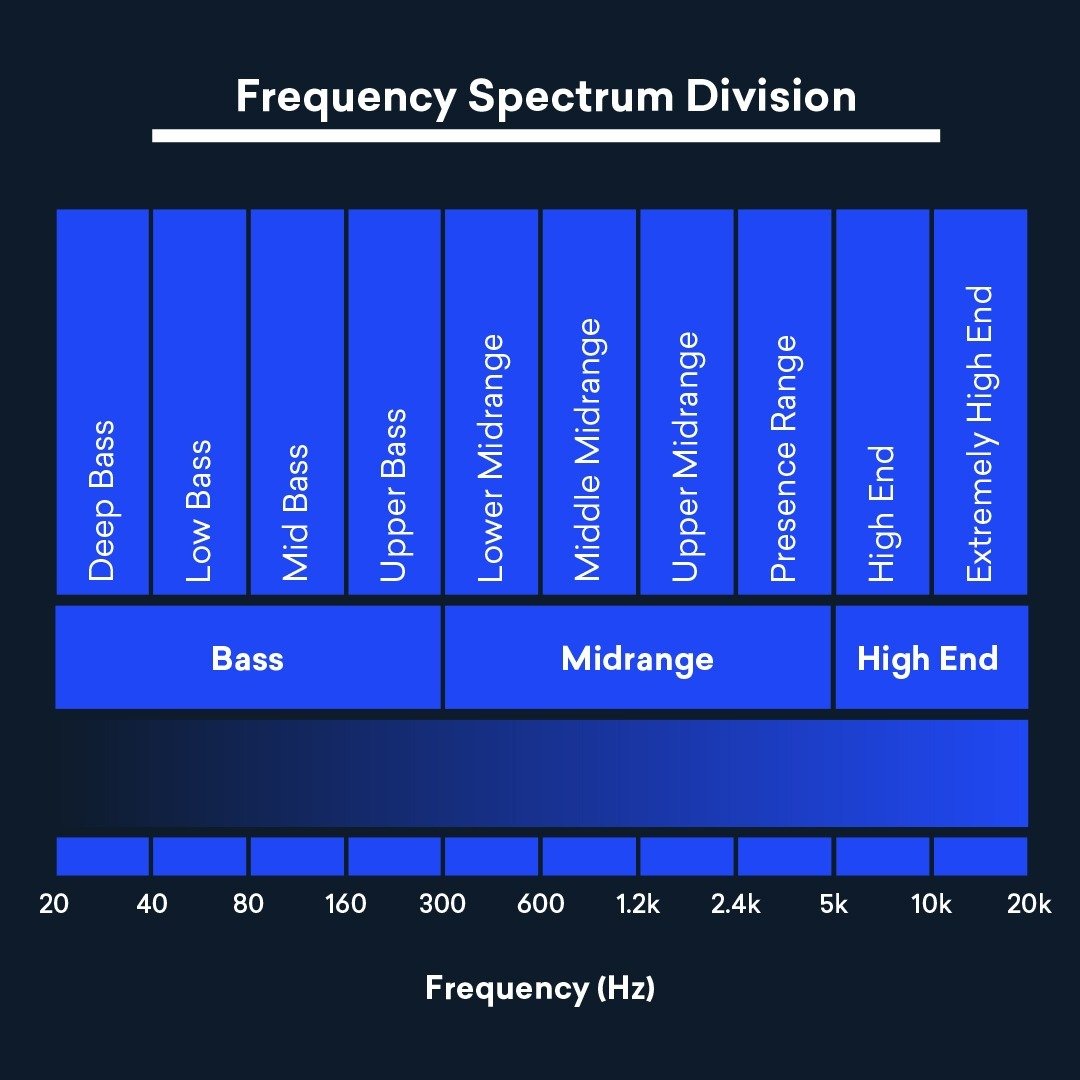

Hearing is one of the most important senses we rely on to connect with the world. From the soft rustle of leaves to the deep rumble of thunder, our ears allow us to experience a wide spectrum of sound. One fascinating aspect of hearing is the range of frequencies humans can detect. This range has limits, and it varies from person to person.
In this SEO-friendly blog, we explore the lowest and highest frequencies humans can hear, the factors that affect hearing range, and why regular hearing tests are essential.
Understanding Frequency and Sound
Sound is created by vibrations that travel through air (or another medium) in waves.
The frequency of these sound waves—measured in Hertz (Hz)—determines how high or low a sound is:
-
High frequency = high pitch
-
Low frequency = low pitch
The human ear can detect a broad frequency range, but this ability is not the same for everyone.
What Are the Lowest and Highest Frequencies Humans Can Hear?
1. Lowest Frequency the Human Ear Can Hear — 20 Hz
The lowest audible frequency for the average human is 20 Hz.
These extremely low-pitched sounds are known as bass frequencies. They are often felt as vibrations rather than heard clearly.
Examples of low-frequency sounds:
-
Thunder
-
Distant traffic rumble
-
Deep pipe-organ notes
-
Subwoofers in music systems
2. Highest Frequency the Human Ear Can Hear — 20,000 Hz (20 kHz)
On the upper end, humans can typically hear up to 20,000 Hz.
These high-pitched sounds are known as treble frequencies.
However, this limit decreases with age due to presbycusis (age-related hearing loss).
This is why older adults often struggle to hear beeps, alarms, or bird chirps.
Factors That Influence Human Hearing Range
Several biological, environmental, and lifestyle factors can affect how much of the frequency spectrum a person can hear.
1. Age
-
Children and young adults hear the widest range.
-
High-frequency hearing declines naturally with age.
2. Noise Exposure
-
Long-term exposure to loud noise damages inner-ear hair cells.
-
This commonly reduces sensitivity to high frequencies.
3. Genetics
-
Some individuals are naturally more sensitive to certain frequencies.
4. Health Conditions
Ear disorders such as:
-
Ear infections
-
Otosclerosis
-
Meniere’s disease
…can reduce the hearing range.
5. Environmental Factors
Constant exposure to low-frequency noise (e.g., machinery, engines) may affect auditory sensitivity over time.
Testing Your Hearing Range
Your hearing range can be measured through a Pure Tone Audiometry (PTA) Test, where sounds of varying frequencies and intensities are played through headphones. The results are plotted on an audiogram to reveal your hearing thresholds.
Good news:
You can get your hearing tested for FREE at VR Speech and Hearing Clinic (or replace with your preferred clinic name).
Regular hearing tests help detect issues early and provide solutions like hearing aids or therapy if needed.
Practical Importance of the Human Hearing Range
1. Music
Music spans a wide set of frequencies. The ability to hear both deep bass and high treble enhances musical experience.
2. Speech and Communication
Speech clarity mainly lies between 250 Hz and 8,000 Hz.
Damage in this range leads to difficulty understanding conversations.
3. Safety
Alarms, sirens, and alerts are designed within the human hearing range to ensure maximum attention.
4. Technology
Modern hearing aids and audio technologies are developed to improve hearing across the frequency spectrum.
Conclusion
The human hearing range—from 20 Hz to 20,000 Hz—is a remarkable capability that enriches everyday life. Understanding the limits of this range and the factors that influence it can help you protect your hearing better.
Whether it’s avoiding loud noise, seeking timely treatment, or using advanced hearing aids, taking care of your hearing ensures you continue to enjoy the full, beautiful spectrum of sound.
Get your hearing tested today — early care leads to better hearing for life!
Leave a Comment