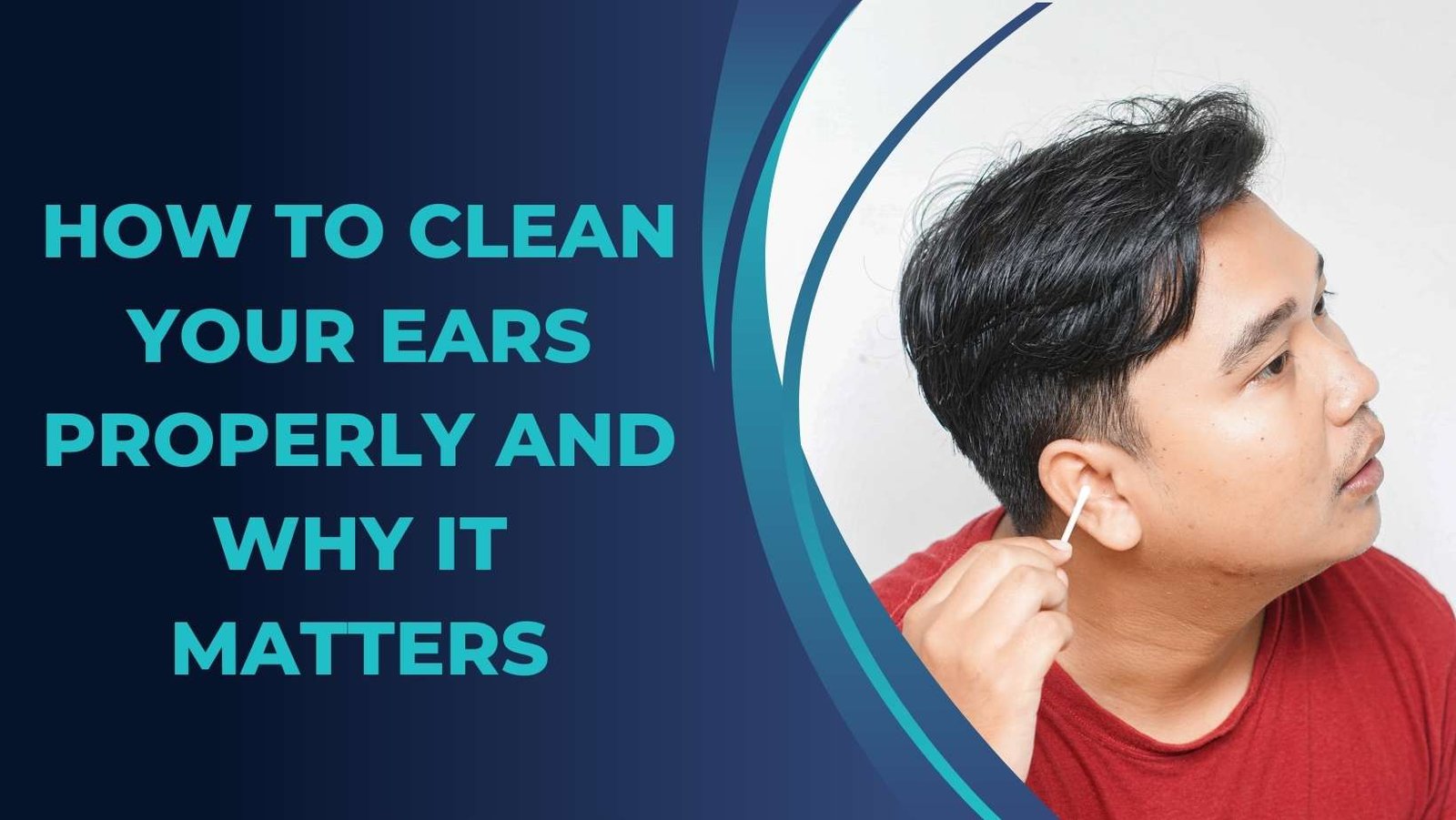

A sudden feeling of fullness, muffled hearing, or a blocked sensation in the ears can be uncomfortable and even alarming. Since our ears play a vital role in how we connect with the world, maintaining proper ear hygiene is essential for overall well-being. In India, where dust, pollution, humidity, and frequent allergies are common, ear issues can arise more often—making ear care even more important.
This guide explains how to clean your ears safely, why improper cleaning is harmful, and when you should seek help from a hearing care professional.
Why Do Your Ears Feel Clogged? Common Causes
1. Earwax Build-Up
Earwax (cerumen) is actually beneficial—it protects the ear canal from dust, dirt, and bacteria.
However, too much earwax can block the ear canal, causing:
-
Stuffiness
-
Muffled hearing
-
Mild pain or itching
Using cotton buds, hairpins, or matchsticks—common habits in India—pushes wax deeper and worsens the blockage.
2. Allergies or Ear Infections
Seasonal allergies, colds, or throat infections can cause:
-
Swelling of the Eustachian tubes
-
Fluid build-up
-
Pressure inside the ears
This results in a clogged or heavy feeling.
3. Sinus Problems
Sinus congestion and infections often affect the ears. Since the sinuses and ears are connected internally, sinus pressure can cause:
-
Blocked ears
-
Headache
-
Temporary hearing reduction
Clogged Ears & Hearing Loss: What to Look For
In many cases, clogged ears lead to conductive hearing loss, which is usually temporary and treatable.
But sometimes, the issue may be more serious.
Sensorineural Hearing Loss (SNHL)
This happens when the inner ear or auditory nerve is damaged due to:
-
Loud noise exposure
-
Ageing
-
Viral infections
-
Certain medications
Unlike conductive loss, SNHL is typically permanent.
Watch out for these signs:
-
Asking people to repeat themselves
-
Increasing TV or mobile volume
-
Difficulty hearing in noisy places
-
Missing high-pitched sounds like doorbells or alarms
If you notice these symptoms, visiting an audiologist is crucial.
How to Clean Your Ears Safely at Home
Most ears clean themselves naturally. Still, if you feel buildup, follow these safe methods:
✔ Use a Warm Cloth
Wipe only the outer ear with a warm, damp cloth.
Do NOT insert anything inside the ear canal.
✔ Use Ear Drops (Wax Softening Oil)
Over-the-counter options like:
-
Glycerine
-
Olive oil
-
Mineral oil
-
Hydrogen peroxide-based drops
These help soften earwax so it can exit naturally.
✔ Stay Hydrated
Drinking enough water keeps mucus thin, which helps Eustachian tubes function properly.
❌ What to Avoid
-
Cotton buds/Q-tips
-
Matchsticks
-
Pins or keys
-
Ear candles (dangerous and ineffective)
These can push wax further, cause infection, or even damage the eardrum.
When Should You Visit a Hearing Specialist?
You should consult an audiologist or ENT specialist if you experience:
-
Persistent blocked ears
-
Sudden hearing loss
-
Pain or discharge
-
Dizziness
-
Ringing in the ears (tinnitus)
A professional can safely remove wax using suction, irrigation, or micro-instruments.
Professional Solutions for Hearing Loss
At our hearing practice, our qualified hearing care experts are dedicated to keeping your hearing healthy. From detailed hearing evaluations to personalised treatment plans, we guide you through every step.
Hearing Aids: A Life-Changing Solution
Modern hearing aids offer:
-
Clear sound quality
-
Noise reduction
-
Bluetooth connectivity
-
Invisible or discreet designs
-
Rechargeable options
-
Smartphone compatibility
These devices are customised based on your hearing test results.
Tips to Maintain Healthy Ears
-
Keep your ears dry after a bath or swim
-
Manage allergies with proper medication
-
Avoid loud music and noise exposure
-
Regularly get a hearing check-up (especially after age 40)
-
Never insert objects into your ears
Final Thoughts
Clean ears are healthy ears—but cleaning must be done safely. If you frequently experience clogged ears, muffled hearing, or discomfort, don’t ignore it. Proper care and timely check-ups can prevent long-term hearing problems.
Whether it’s earwax build-up, infection, or early hearing loss, professional guidance from an audiologist ensures accurate diagnosis and the right treatment.
Leave a Comment