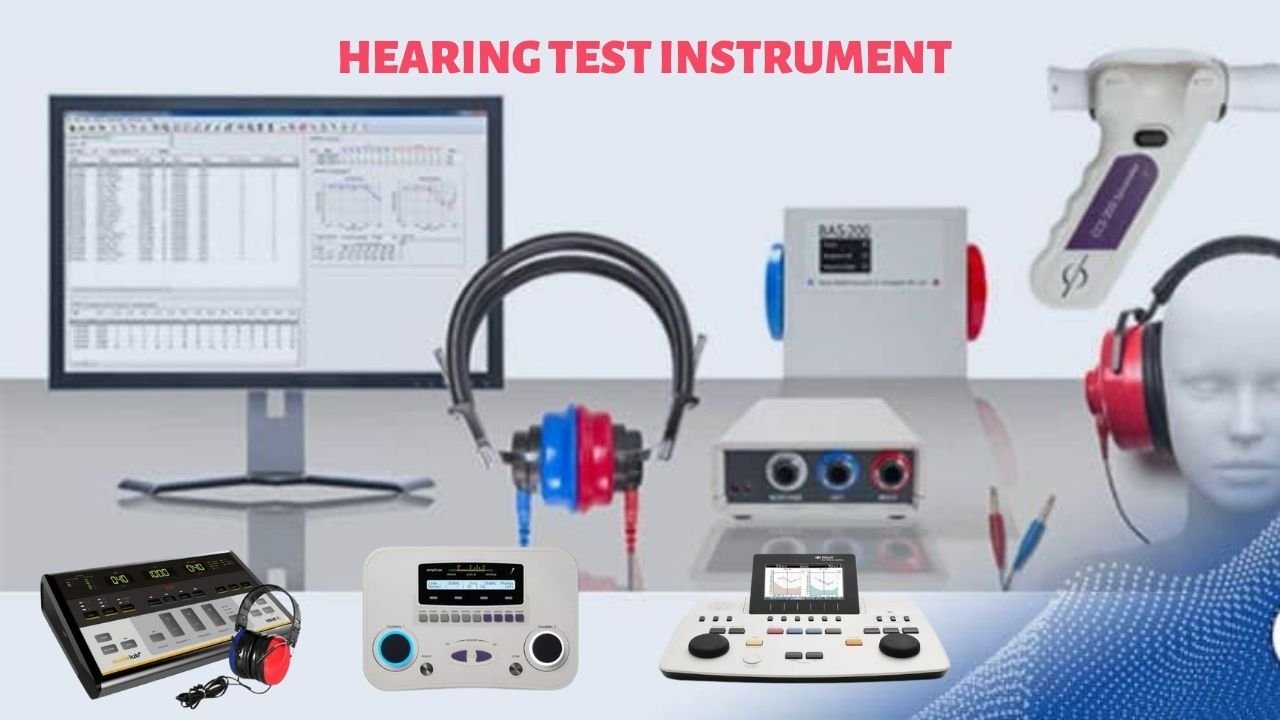

Audiology is the science of hearing and balance, dedicated to assessing, diagnosing, and managing hearing disorders across all age groups—from newborns to seniors. A thorough audiological evaluation helps identify the type, degree, and nature of hearing loss, ensuring accurate diagnosis and timely intervention.
This article outlines the key instruments, tests, and procedures involved in a complete audiology assessment and how they contribute to improved hearing health.
1. Hearing Assessment Across All Ages
Audiologists use a variety of specialized tests to measure hearing sensitivity and auditory function:
🔹 Pure Tone Audiometry (PTA)
A standard test that evaluates hearing thresholds for frequencies essential for understanding speech.
🔹 Immittance Audiometry
Includes tympanometry and acoustic reflex testing to assess middle ear function.
🔹 Behavioral Observation Audiometry (BOA)
Used for infants below six months, observing behavioral responses to sound.
🔹 Visual Reinforcement Audiometry (VRA)
Designed for young children, combining sound with visual rewards to assess hearing.
🔹 Neonatal Hearing Screening
Includes:
-
Objective tests
-
Informal screening
-
Subjective observation
to detect hearing loss at the earliest stage.
🔹 Otoacoustic Emissions (OAE)
Evaluates outer hair cell function, vital for newborn and pediatric screening.
🔹 Brainstem Evoked Response Audiometry (BERA/ABR)
An electrophysiological test to assess the auditory nerve and brainstem pathways.
2. Differential Diagnosis of Hearing Disorders
Audiologists are trained to identify and differentiate between:
-
Conductive hearing loss
-
Sensorineural hearing loss
-
Mixed hearing loss
-
Retrocochlear pathologies
-
Central auditory processing disorders
Accurate diagnosis ensures proper management and rehabilitation.
3. Advanced Audiological Diagnostic Tests
For detailed evaluation, several specialized tests are performed:
-
TDT (Tone Decay Test)
-
SISI (Short Increment Sensitivity Index)
-
STAT (Stenger Test for non-organic hearing loss)
-
ABLB (Alternate Binaural Loudness Balance)
-
Reflex Decay Test
-
Eustachian Tube Function Test
-
Tests for pseudohypacusis
-
Central auditory processing tests
These tests help in localizing lesions and differentiating cochlear vs. retrocochlear hearing disorders.
4. Hearing Aid Evaluation & Electroacoustic Measurement
🔹 Electroacoustic Analysis
Measures technical performance and sound output characteristics of hearing aids, ensuring optimal benefit and safety.
🔹 Hearing Aid Selection & Fitting
Audiologists recommend and program hearing aids based on:
-
Age
-
Hearing thresholds
-
Lifestyle needs
-
Ear anatomy
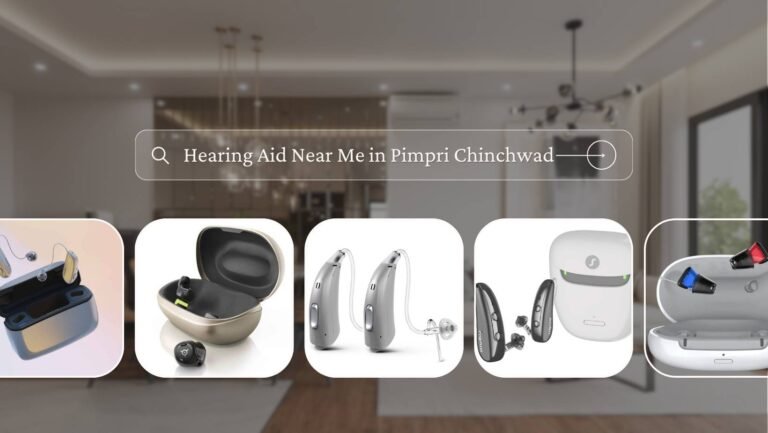
Types of hearing aids include:
-
Body-level aids
-
Behind-the-Ear (BTE)
-
In-the-Ear (ITE)
-
In-the-Canal (ITC)
-
Completely-in-Canal (CIC)
Both subjective and objective fitting techniques ensure the best results.
5. Neonatal & Infant Hearing Screening Programs
Early identification is crucial in preventing speech and language delay. Screening programs help detect hearing loss early in:
-
High-risk infants
-
NICU babies
-
Children with developmental concerns
Early intervention drastically improves communication outcomes.
6. Counseling & Management of Hearing Disorders
Audiologists play an essential role in educating families and patients about:
-
Hearing conservation
-
Prevention of auditory damage
-
Management of hearing loss
-
Device usage and maintenance
Comprehensive counseling empowers families to make informed decisions.
7. Auditory Training & Rehabilitation
Children with hearing impairment receive:
-
Auditory training
-
Speech perception therapy
-
Listening skill development
These programs help maximize hearing aid and cochlear implant benefits.
8. Cochlear Implant Candidacy & Post-Implant Care
Audiologists assess candidacy for cochlear implantation based on:
-
Degree of hearing loss
-
Speech perception abilities
-
Benefit from hearing aids
Post-implant management includes:
-
Mapping (programming the implant)
-
Auditory-verbal therapy
-
Regular follow-up assessments
Conclusion
A comprehensive audiology assessment is essential for accurate diagnosis and effective treatment of hearing loss. With advanced tests, expert interpretation, and tailored rehabilitation strategies, audiologists ensure that every individual receives personalized, evidence-based care.
Leave a Comment